The initial years of formal education establish how a child views the world, solves problems, and interacts with peers. Early childhood development research shows that cognitive and social skills formed during this period persist into adulthood. Selecting an appropriate early learning environment is a core consideration for families, leading many to consider an international kindergarten for early academic development.
Inquiry-based learning in early childhood
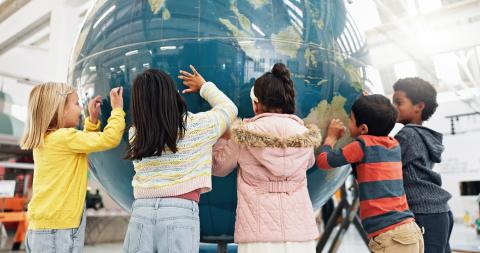
Structured, play-based learning environments assist young children in forming neural connections. At an international kindergarten, curricula often move away from rote memorization, focusing instead on guided questioning and hands-on experimentation. This instructional approach builds critical thinking by encouraging children to evaluate outcomes and resolve minor challenges independently, establishing analytical habits used throughout later academic years.
Cultural diversity and language acquisition
Intercultural exposure forms a routine part of early education in multicultural settings. An international kindergarten brings together students and faculty from varied linguistic and cultural backgrounds, providing natural opportunities for language acquisition and peer interaction. Children in these settings observe different communication styles, which supports the development of social adaptability and observational skills at a young age.
Environmental design and social development
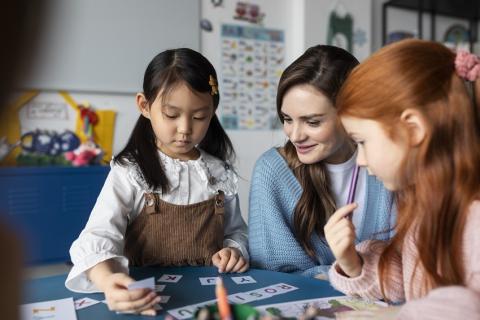
Physical classroom environments influence student participation and self-regulation. Early learning centers use designed spaces that accommodate physical movement, creative tasks, and quiet reading. Through structured group activities at an international kindergarten, children practice social fundamentals such as turn-taking, active listening, and conflict resolution. These daily interactions build the behavioral framework needed for primary school transitions.
Educational continuity and cognitive development
Developing consistent learning habits during early childhood impacts long-term academic engagement. The cognitive, social, and emotional framework established in early educational environments supports subsequent skill acquisition. Providing young learners with a structured foundation at an international kindergarten equips them with the adaptability and confidence required for ongoing education.